
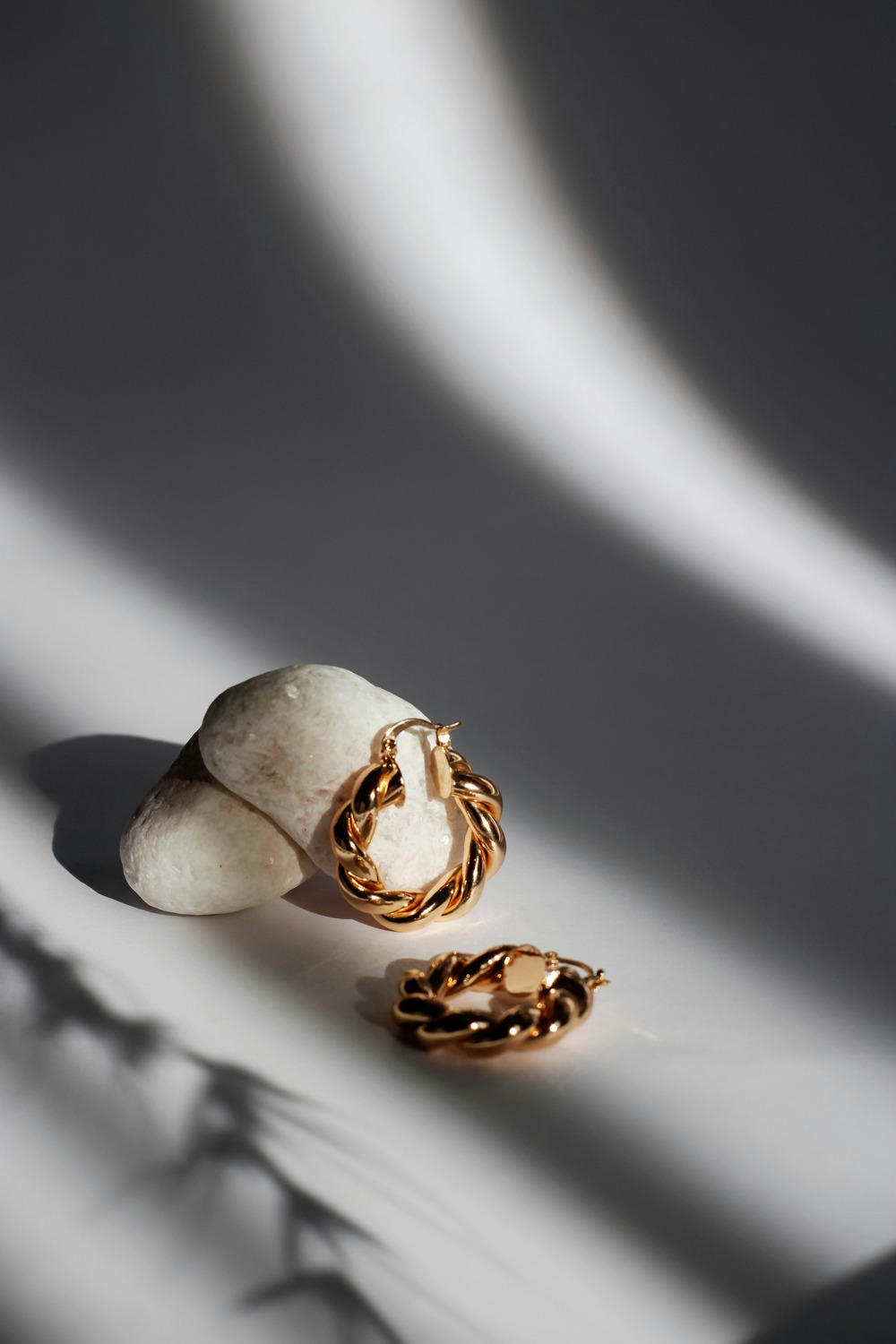
I lost one earring at a party a couple years back, the kind of loss that used to mean the whole pair was basically dead to me. Threw it in a drawer, half-annoyed, planning to eventually find a replacement or just accept defeat. Then, out of pure laziness one morning, I grabbed the surviving earring and paired it with a completely different single earring from another dead pair.
It seems to me that accidental outfit choice ended up looking more interesting than either pair had looked whole, and it’s basically how I stumbled into styling Mismatched Earrings for the first time. What I mean is, sometimes the mistake is actually the upgrade.
Mismatched Earrings 2026 is having a genuine moment right now. Not the “oops I lost one” version, the intentional kind, two completely different earrings chosen specifically because they don’t match.
Learning how to style asymmetrical jewelry the right way is a small trend with a surprisingly large visual impact, and it’s a lot more approachable than it might initially sound once you understand the basic rules behind wearing mismatched earrings well.
Why Asymmetrical Jewelry Is Catching On
There’s something a little rebellious about mismatched earrings that fits the broader mood in fashion right now. After years of matched sets, coordinated everything, quiet minimalism, people seem ready for a bit of visual chaos, controlled chaos, but chaos nonetheless.
What I mean is, this trend rewards a little confidence, and confidence is exactly what’s been missing from a lot of recent jewelry trends.
It also solves a real practical problem, the one I stumbled into by accident. Nobody needs to throw away a single earring from a broken pair anymore. Turns out that “broken” pair might actually work better split up and remixed with something else entirely.
Six Ways to Style Mismatched Earrings
1. Same Metal, Different Shape
Keep both earrings gold or both silver, but let the shapes differ completely, one hoop, one stud, one drop earring paired with something geometric. The shared metal tone keeps it cohesive even though nothing else matches, which is exactly why this is the safest entry point for anyone nervous about the whole trend. It photographs well too, since the consistent metal catches light evenly across both ears even when the shapes pull focus in different directions.
- Difficulty level: low, this is the easiest entry point into the whole trend
- Styling rating: 9/10
- My honest take: this is where I’d tell anyone nervous about the trend to start
2. Same Size, Different Style
Two earrings roughly the same size and visual weight, but completely different in design, a pearl stud paired with a small geometric shape, for instance. Balance without exact matching. This works because the eye reads proportion before it reads detail, so keeping the scale consistent tricks the whole outfit into feeling coordinated even when the actual designs have nothing in common.
- Difficulty level: low
- Styling rating: 8/10
- My honest take: this one feels the most “wearable to the office” out of everything on this list
3. One Statement, One Simple
A bold, larger earring on one ear, a small stud or simple hoop on the other. This is the boldest version of the trend, and honestly my favorite once I got comfortable with it. The contrast in scale does most of the styling work automatically, since one ear naturally draws the eye while the other quietly balances it out, no extra thought required once the pairing’s chosen.
- Difficulty level: medium, takes a bit of confidence
- Styling rating: 9/10
- My honest take: I get more compliments on this combination than almost anything else I wear
4. Mixed Metals
Gold on one ear, silver on the other. This breaks the “keep one thing consistent” rule entirely, and it somehow still works, especially if there’s a mixed-metal piece elsewhere in the outfit, a watch, a ring, tying the two together. It’s the riskiest combination on this list, since without that connecting piece elsewhere, mixed metals can start to look less like a choice and more like two different jewelry boxes collided by accident.
- Difficulty level: medium to high
- Styling rating: 7/10
- My honest take: I’ve only pulled this off successfully a handful of times, it takes practice
5. Thematic Pairing
Two earrings that share a color or a motif without being identical, two different florals, two different shades of the same blue. Related but not matching. This approach tends to feel the most natural for anyone easing into the trend, since the shared theme does the intentionality signaling on its own, without needing to think hard about metal, size, or scale at the same time.
- Difficulty level: low
- Styling rating: 8/10
- My honest take: an easy way to use two pieces that technically don’t belong to the same set at all
6. Length Contrast
One short stud, one long dangling earring. The visual difference in length does a lot of the “intentional” work on its own, even if the actual style of each earring is fairly similar. This pairing tends to read as more elegant than edgy, which makes it a solid choice for anyone who wants to try the trend somewhere slightly dressier, a dinner or an event, without it feeling too loud for the occasion.
- Difficulty level: low to medium
- Styling rating: 8/10
- My honest take: this reads surprisingly elegant for how little effort it actually takes
How to Make It Look Intentional, Not Accidental
The line between “I’m wearing mismatched earrings on purpose” and “I clearly lost one and grabbed whatever” comes down to a few small details. Keeping some element consistent, metal tone, general size, a shared color, signals intention even when the earrings themselves are completely different. Fully random pairing, wildly different metals, wildly different scales, wildly different styles all at once, tends to read as accidental rather than styled.
It also helps to lean into the trend elsewhere in the outfit occasionally, not every time, but often enough that it reads as a consistent personal style choice rather than a one-off. A slightly asymmetrical hairstyle, an off-center accessory, small details that echo the same “intentionally imperfect” energy.
Building a Mismatched Earring Collection
The good news here, genuinely, is that this trend requires very little new spending if there’s already a jewelry collection sitting in a drawer somewhere. Old single earrings from broken pairs suddenly become useful again. Two different pairs of studs bought years apart can suddenly work together in a way that never occurred to me before this trend existed.
If starting from scratch, a small collection of five or six individual earrings, chosen for how well they mix and match rather than as traditional pairs, goes further than buying several complete matched sets. Focus on one consistent element across the collection, gold tone, for instance, and vary everything else, shape, size, style, freely from there.
What I’d Genuinely Avoid
Overly loud pairing on both ears at once tends to look chaotic rather than intentional, two enormous statement pieces competing with each other rather than one statement piece balanced by something simpler. Mismatched earrings work best when there’s some kind of visual hierarchy, one piece doing more work than the other, rather than two equally loud pieces fighting for attention.
Wildly mismatched sizing without any shared element is the other common misstep. A tiny stud paired with a massive, dramatic earring can work, but it needs something else tying them together, shared color, shared metal, something, or it just reads as an accident rather than a choice.
A Few Numbers From My Own Jewelry Box
I got curious enough to actually count this out once the trend caught my attention properly.
- Single earrings I’d kept from broken pairs before this trend, just sitting in a drawer doing nothing: 7
- Of those 7, how many I’ve now successfully paired with something else: 5
- New earrings purchased specifically to build out mismatched combinations: 3
- Combinations I actually wear on repeat now: 4, more than I expected going into this
Why This Trend Might Actually Stick Around
A lot of jewelry trends come and go fast, but this one solves a genuine practical problem while also looking current, which tends to give a trend more staying power than pure aesthetics alone. Nobody has to throw away a single earring again. Nobody has to buy an entirely new matched set when half of an old one still has real potential.
Start with the easiest version, same metal, different shape, if the whole thing feels intimidating at first. Dig through any old jewelry sitting around before buying anything new. It seems to me the earrings already lying forgotten in a drawer somewhere are the best place to actually start this whole experiment.